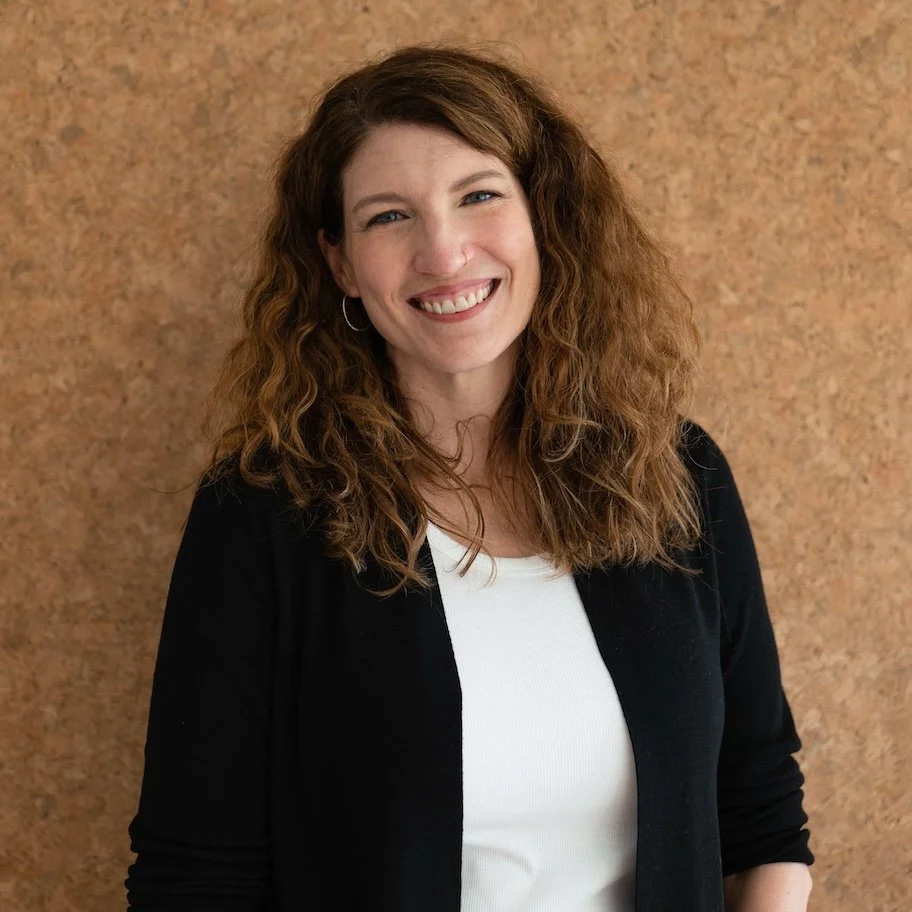
Coaching Design Leaders: Melissa Hajj
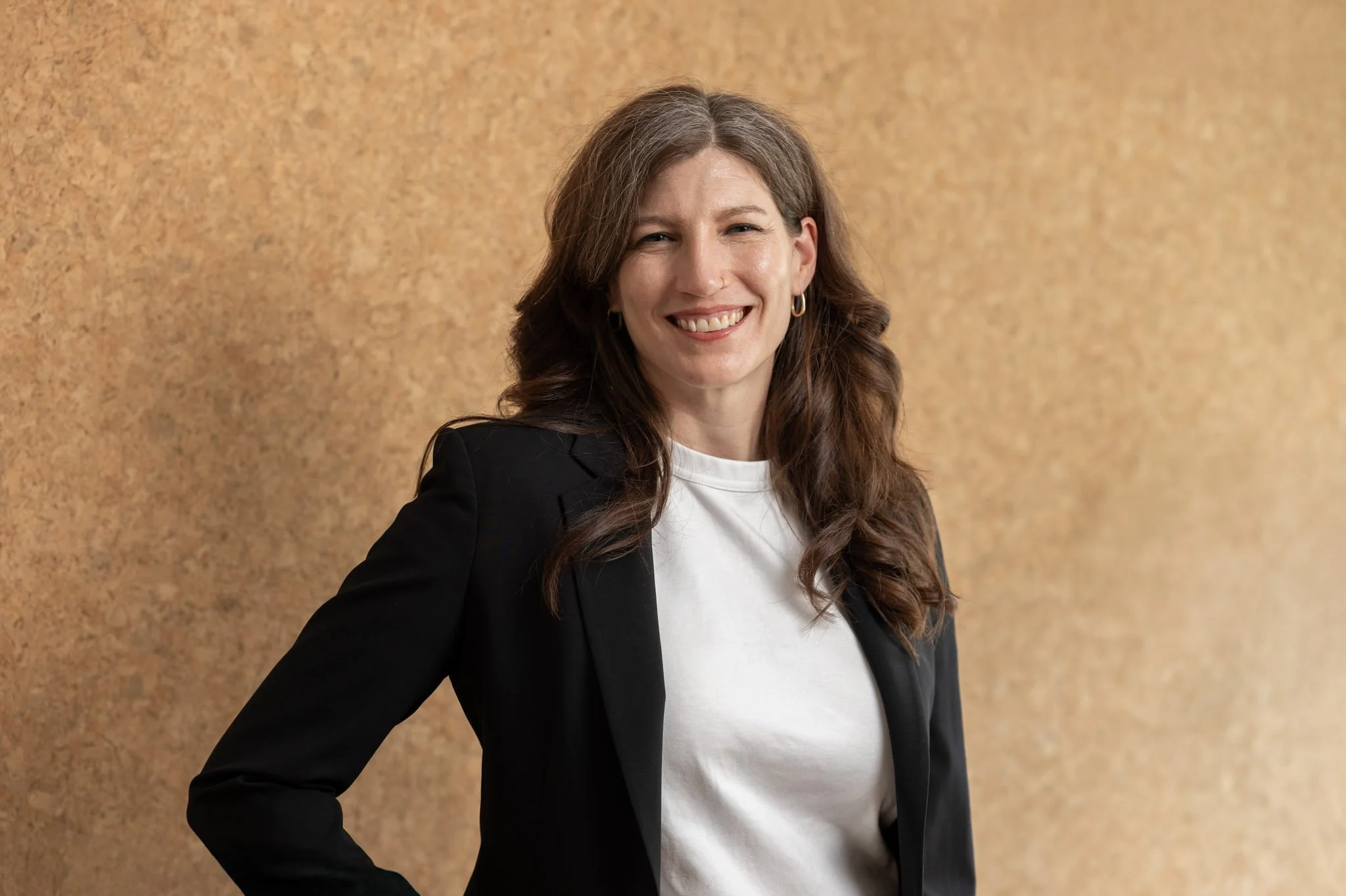
Melissa Hajj is a design leader, former Apple and Meta executive, and coach at Good Maven. We sat down with her to talk about how she got here, and what she's learned about helping designers grow.
Good Maven: Your path into design isn't exactly a straight line. How did you get here?
I was an artsy kid. My mother was a graphic designer and an artist, and even though she died when I was young, her influence was everywhere: her drawing board, her art materials, her Letraset kits. Making things just felt like what people did.
As a teenager, I discovered computers and something clicked in a different direction. A friend had a Mac with a game called The Fool's Errand — beautifully visual, incredibly creative — and I was obsessed. Later, a teacher introduced me to a thing called the “World Wide Web” and suggested I build an online art gallery for our school. Designing and coding that project in super-early HTML gave me my first taste of what has excited me for the rest of my career: the combination of technical constraints, visual aesthetics, and human purpose. It was energizing, even when it was hard.
I went to university planning a Computer Science and Fine Arts double major. Instead, I took a bit of a detour and ended up with a Theater degree, focused on set design. In hindsight, I can tell you it was because technical theater turned out to offer the same combination of purpose, constraint, and aesthetics that I find so compelling. At the time, though, it felt like a move designed to make my parents despair for my future.
They were kind of right, too, because theater didn't pay the rent! But it was the dot-com boom, and I knew HTML, so I got a job as a web designer. And somewhere in those e-commerce experiences, I found that same combination of purpose, constraint, and aesthetics, and suddenly I was excited about computers again.
GM: What did those early years look like?
Wide open, by today's standards. Almost no one had formal training in product design. It really didn’t exist as a defined discipline. Hiring managers had to bet on potential. So I got to work on an enormous range of projects: big and small company websites, shopping carts, DVD interfaces, even medical software. Eventually I landed at Apple, working on Final Cut Studio and then iTunes and iBooks.
I was exposed to so many different types of products, but the underpinnings of the successful ones were all consistent: it’s all grounded in being valuable to the people who use them. I learned to get really excited about the problem, and not to be too attached to specific solutions.
GM: How did you move from designing products to leading people?
About five or six years into my time at Apple, I noticed a pattern. The days I felt most energized weren't the days I shipped the best design. They were the days I helped a team figure something out together. I started to realize that people might be the most challenging — and most rewarding — material to design with.
So I made a leap: I joined a startup that needed my product design skills and was willing to let me learn to manage people. It was a dramatic difference from Apple – we were so scrappy we ran out of chairs and went to Target for yoga balls to sit on instead.
Then I went to Meta, where I spent over eight years leading different teams, culminating at Instagram. Meta is where I genuinely grew up as a leader. I got to lead large design and cross-functional organizations, worked across consumer and enterprise products, and saw up close how world-class product organizations succeed… and also, fail. I learned how to hire designers at scale, and eventually led Meta's London design hiring. It was an extraordinary education.
GM: And coaching — how did that become part of your practice?
At Meta, I had managers who invested deeply in me, and a genuinely career-changing experience with an executive coach. I would not be who I am today without their influence.
From them, I learned that products might be exciting to build, but they're ephemeral. They come and go. Helping people grow is the most lasting investment we can make. It makes for better business outcomes too. Better ingredients, better pizza!
So I made coaching a core part of how I led: meeting people where they are, building scaffolding so they can grow, helping them navigate transitions, holding high expectations alongside high support.
In 2024, Meg offered me the chance to join Good Maven, providing coaching for design leaders, and it was such a great fit. We'd worked closely at Meta in London, so I knew we shared the same values, and the same drive to see the people around us do better and feel more fulfilled. My work with Good Maven has made it possible to support an even broader community of designers and teams. I love it.
GM: Who do you typically work with?
Two main groups.
The first is senior designers and design leaders at inflection points. People figuring out their next move, stepping into leadership for the first time, or trying to deepen the impact they're already having. We might work on how they tell their story in a CV or portfolio. We might dig into the specific leadership muscles they need to build: product strategy, people management, executive communication, organizational thinking.
The second is organizations – typically startups and scale-ups building their design function. That might mean org design, hiring strategy, design process, or working directly with product teams as they're building something.
GM: What do you think you bring that's genuinely distinctive as a coach?
A few things.
I've hired extensively and I've gotten hired myself. I've been on both sides of the table. I know what it takes to get noticed, to build a compelling narrative, to navigate the interviewing moments that feel impossibly high-stakes. I also know exactly how hard it is to build your own portfolio, and how valuable concise editorial feedback can be.
When it comes to helping people grow, I’m particularly interested in a few specific challenges. One is helping people make the leap from doing the work themselves to working through others. This is one of the hardest transitions in a design career, and it applies to senior individual contributors just as much as new managers. Seniority isn't just about what you can produce. It's about how many people you can bring along with you.
Another is helping people work through difficult feedback. The feedback that hurts because you thought you were doing it well. The feedback that's frustratingly vague — "needs stronger leadership presence" or “speak up more in meetings”— and leaves you with no idea where to start. I'm not here to judge. I'm here to help you figure out what to do with it, and stay with you as you work through it.
GM: Do you have any go-to tools that elevate your coaching?
Over the years, I’ve found frameworks that help bring clarity to some of the wildly ambiguous situations we face in the workplace. Some are coaching classics, and some I’ve built to help myself and my own teams.
For job seekers and people building teams, I’ve got a set of genuinely practical materials: an interview question bank that gives candidates an inside track on what they’re likely to face, a skills matrix that clearly defines what different seniority levels look like, and hiring tools that help organizations get clear on what profile they actually need before they start interviewing.
For the thornier human stuff, like communication that isn’t landing or trust that’s been damaged, I reach for frameworks that help people see the mechanics underneath the emotion. When you can name what’s happening, you can do something about it.
GM: What would you say to someone who's on the fence about coaching?
Make a start. That's it.
Talk to some coaches. Talk to people who've worked with coaches and ask them what shifted for them.
Sometimes just saying out loud, "I don't know exactly what I need, but something isn't moving the way I want it to" is the beginning. People consistently tell us that coaching gave them clarity on what they actually wanted and helped them stop feeling stuck. A great coach can help you get to the bottom of what's going on, build a plan together, and stay with you as you work through it.
That's what I'm here for.
If you would like to talk to Melissa about coaching, you can book in a free 30 minute chat.
If you’re still considering whether coaching is right for you, our online guide may be a great aide. Answer a few short questions and we’ll make a recommendation. No data capture!
Learn more about the coaching packages offered by Good Maven.